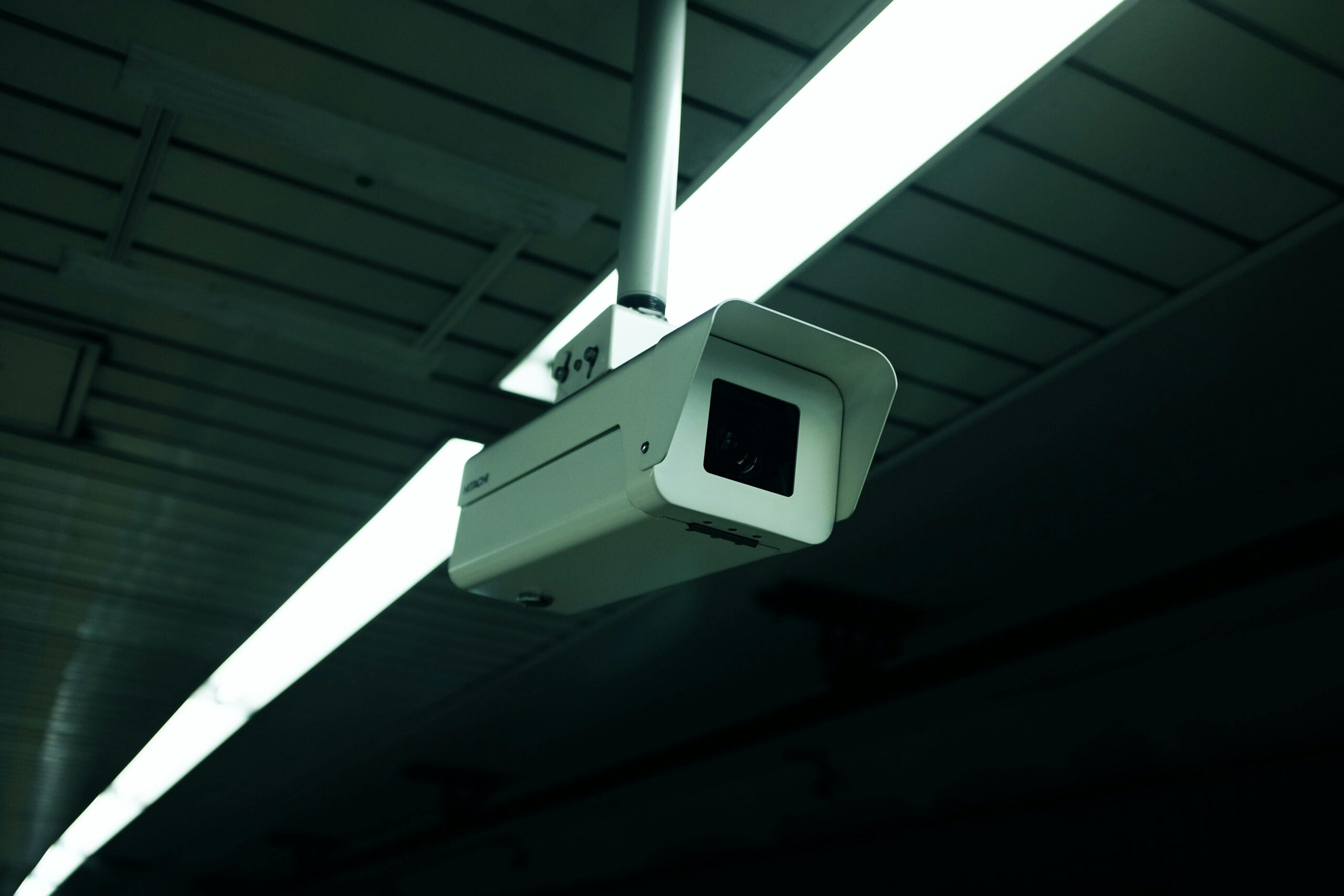
In 2025–2026, the CNIL (French Data Protection Authority) has intensified enforcement on video surveillance, issuing dozens of simplified sanctions totaling over €200,000 for issues like excessive employee monitoring, disproportionate filming, hidden cameras, or filming in sensitive areas (e.g., union offices, school cafeterias, hospitals). Fines for serious GDPR breaches can reach €20 million or 4% of global annual turnover. With the rise of AI-enhanced “smart” cameras, compliance is more critical than ever. This 2026 guide explains the key obligations, best practices, and tools to stay compliant without sacrificing security.
Why Surveillance Videos Fall Under GDPR
Any video footage capturing identifiable individuals (faces, license plates, behaviors) qualifies as personal data under Article 4(1) GDPR. Processing such data triggers strict rules on lawfulness, transparency, minimization, and security. Since 2018, no prior CNIL declaration is required for most private systems (except public spaces or police-justice cases), but you must demonstrate accountability at all times.The 7 Key GDPR/CNIL Obligations in 2026
- Legitimate Purpose & Proportionality
Video surveillance must pursue a legitimate interest (e.g., protecting property/people) without being excessive. Never use it for constant employee monitoring, private areas, or unrelated purposes (e.g., insurance claims evaluation). CNIL sanctions often target disproportionate setups. - Transparency & Information
Display clear, visible CNIL-compliant signs at camera locations stating: who operates the system, purpose, retention period, rights (access, erasure), and DPO contact. Inform employees/staff in advance (via internal policy or contract addendum). - Data Minimization
Film only necessary areas/angles. Avoid capturing public spaces beyond your perimeter or private zones. For workplaces, never film break areas, toilets, or union spaces. - Retention Period
CNIL recommends a maximum of 30 days (often less). Justify longer periods in writing. Automatic deletion after the period is mandatory. - Data Security
Encrypt footage in transit/storage, restrict access (MFA required), log consultations, and secure against breaches. CNIL stresses robust passwords and access controls. - Data Subject Rights
Respond to access/erasure/opposition requests within 1 month (extendable to 3). Provide footage copies (anonymized if needed) or erase upon valid request. - Data Protection Impact Assessment (DPIA/AIPD)
Mandatory for “high-risk” systems, especially AI/smart surveillance (real-time analysis, behavior detection). CNIL requires systematic AIPD for augmented cameras to assess privacy risks.
Smart Surveillance & AI in 2026:
Major ChangesAI-powered “intelligent” video surveillance (real-time detection, anomaly alerts, behavior analysis) is exploding, but it raises red flags. CNIL recommendations emphasize:
- Systematic AIPD for any automated processing.
- Proportionality & safeguards: No profiling without strong legal basis; delete raw images quickly after anonymization.
- “Red lines”: Ban intrusive uses (e.g., real-time pursuit without legal text) and cross-referencing with other files.
- Anonymization/pseudonymization in real-time or post-processing is strongly encouraged to minimize risks (Art. 5 GDPR).
In 2025–2026, CNIL prioritizes controls on AI in surveillance, with experiments (e.g., Cannes city tests) showing both potential and strict limits.Best Practices & Tools for Effective Anonymization Manual redaction is slow, error-prone, and costly for large volumes. AI automation detects and blurs faces/plates accurately—even in motion or low light—while preserving footage utility.Here’s a comparison of leading tools in 2026 (focused on GDPR compliance for surveillance workflows):
| Tool | AI Accuracy | Processing Speed (GPU) | On-Prem/Sovereign Option | Adobe Plugin | API Integration | Key Strength for Surveillance | Pricing Model |
|---|---|---|---|---|---|---|---|
| Blurit | Very high | Ultra-fast batch | Yes (full sovereign) | Yes | Yes | Automatic face/plate blur for bodycams/CCTV, manual overrides, S3 compat. | Free trial, flexible |
| Nymiz | High | Fast (generative) | Cloud/private/edge | No | Yes | Deep natural anonymization (non-reversible) | Enterprise |
| SightEnginelantur | High | Good | Cloud/on-prem | No | Yes | Automotive & mapping focus, but works for CCTV | Subscription |
| Others (e.g., Blurme, Klippa) | Varies | Varies | Varies | Varies | Varies | General data anonymization | Varies |
Blurit stands out for surveillance teams: it processes hours of footage in minutes, supports on-premise deployment for sovereignty, offers GPU-accelerated batch, and includes an Adobe plugin for post-production. Ideal for police bodycams, security archives, or DSAR/FOIA responses—ensuring quick, high-quality anonymization without quality loss.
2026 Compliance Checklist
- Define legitimate purpose and document it.
- Install visible CNIL signs everywhere.
- Limit camera angles to strict necessity.
- Set auto-deletion after ≤30 days.
- Encrypt data & restrict access (MFA).
- Conduct AIPD for AI/smart systems.
- Train staff & inform employees.
- Prepare for rights requests (access/erasure).
- Use automated anonymization tools like Blurit.
- Keep audit logs & register of processing activities.
Recent CNIL Risks & Sanctions (2025–2026)
- €40,000+ for excessive workplace surveillance.
- €108,000+ cumulative in simplified procedures (mostly video issues).
- Sanctions for hidden cameras, filming meals/internats, or union areas.
- Heavy fines possible for security breaches or non-cooperation.
Conclusion
GDPR compliance for surveillance videos in 2026 boils down to: legitimate purpose + transparency + minimization + security + anonymization. With AI adoption accelerating, proactive tools like Blurit help you automate redaction, reduce risks, and respond faster to requests—while staying fully compliant.Ready to eliminate manual work and liability? Test Blurit for free today at blurit.io — no card required, with personalized demo for surveillance workflows.